By Andy Jackson, trustee of CAOLAS
Your local community-led marine conservation group CAOLAS is in its tenth year and it is time to look back and see what we have achieved or not.
The Community Association of Lochs and Sounds (CAOLAS) was founded in 2015 by a collection of interested local persons who either use the lochs and sounds commercially or for leisure, and wanted to be able to represent the marine environments welfare at local, and national level, to engage with stake holders and members of public a like.
The group took a year or so to become properly constituted and registered in 2017. Behind the scenes, we established our ethos and identity, developed logos and brand, and establish a website (though note, our new website is currently in the works as of January 2026).
Over the past decade, CAOLAS has delivered many informative winter talks on life below the waves. Who would have ever guessed how Barnacles reproduced? Or where the Moon jellyfish spend winter?
We worked in collaboration with other like minded groups to bring about fishing management of the waters from Jura, Firth of Lorn, Sound of Mull, Loch Sunart, and Loch Teacius, concentrating on reducing the scallop dredging effort. This was very successful and now clearly defined with 100% closure in Sunart, Teacius, and mostly closed in all other areas. The seabed could take decades to recover and, in some places, longer. However in some places its already coming back to life.
Leisure divers report thousands of different species of marine life from corals seaweeds, crustations , mollusks, fish, marine birds and mammals. All of whom depend on an undisturbed and pristine seabed.
Some commercial creel fishermen are reporting better catches and more importantly for us, way more unusual and significantly different spices , telling us that diversity is returning to our seabed.
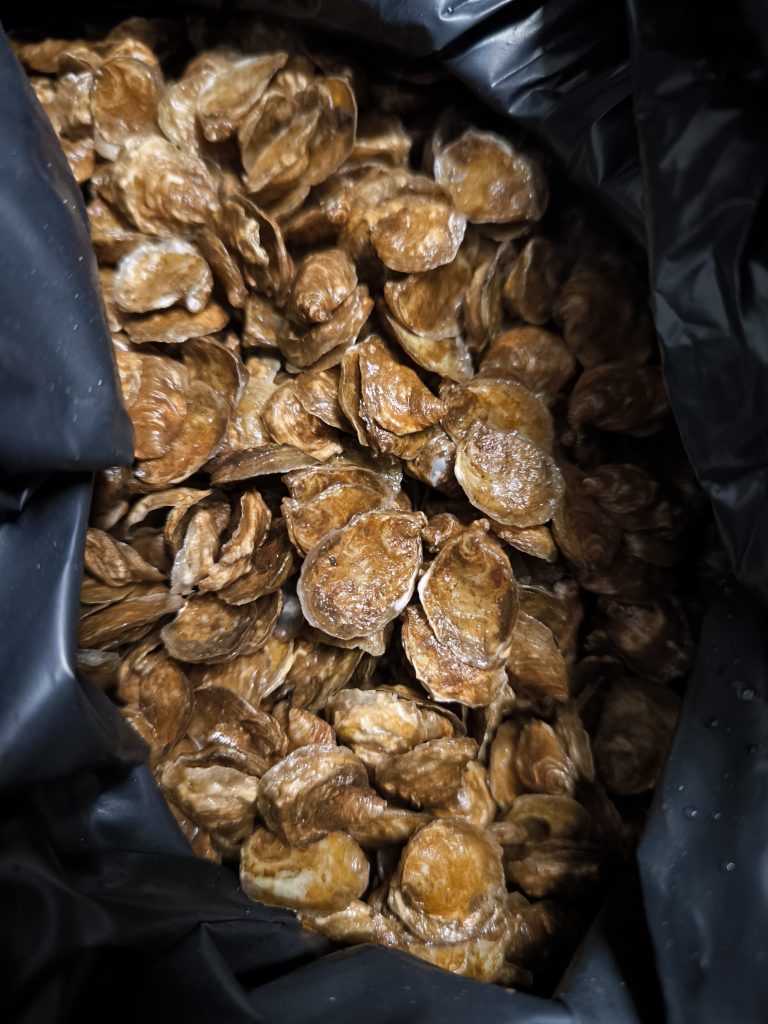
In Lochaline we have now successfully reared thousands of native oysters who are now enjoying life on protected reefs filtering millions of litres of seawater and helping other marine creatures get established.
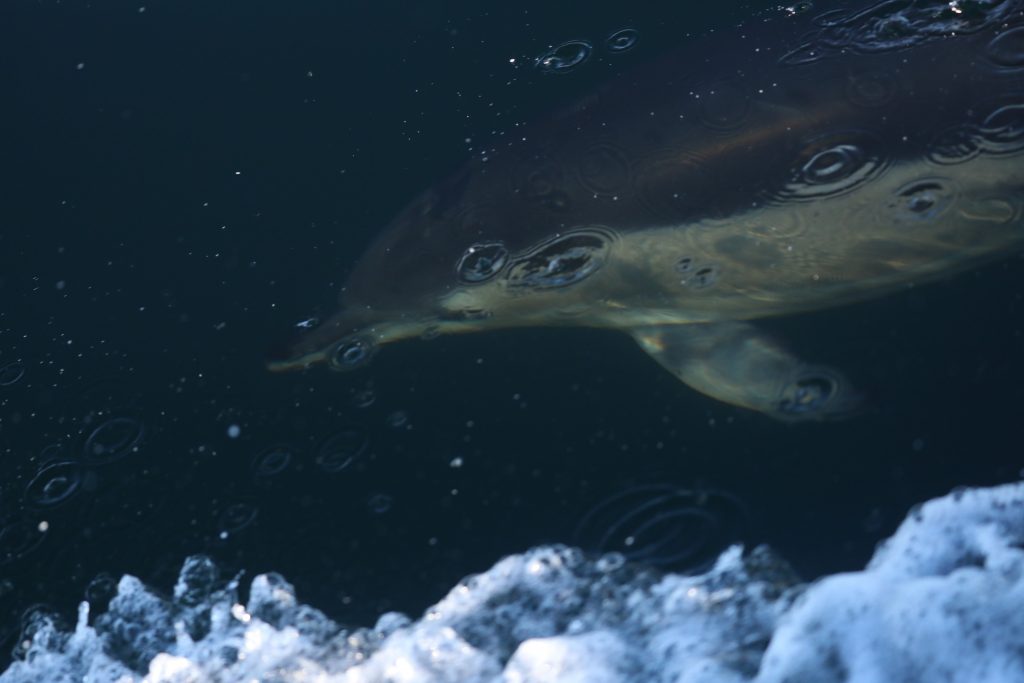
We are keen to hear from anyone who has noticed changes in marine conditions over years or even decades. Were there really hake in Loch Sunart in the 1960s? What happened to the jellyfish this year? Why did dolphins remain in the loch through the summer, and into January? Is this climate change, seabed recovery, or a combination of factors?
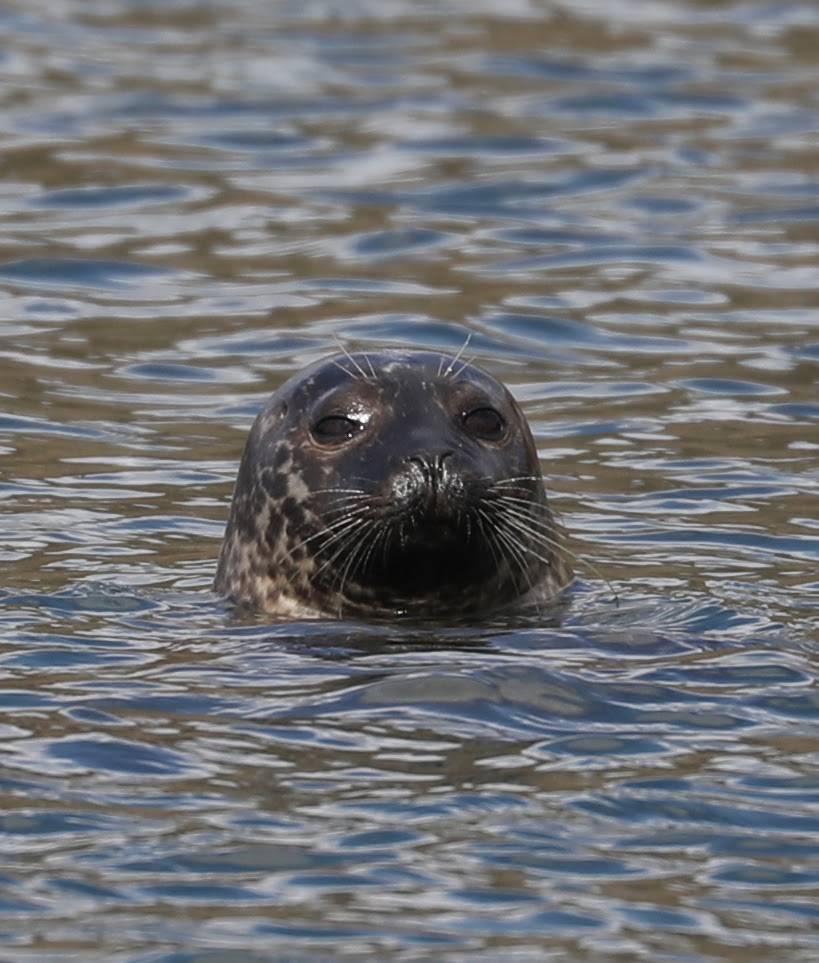
Bait balls have been seen boiling on the surface with many sea birds , dolphins, seals and Sea Eagles all getting in on the action, what a spectacle should this continue and increase in frequency , what would be the effect on tourist numbers and local revenue ?
Did you know our coastal and marine area is a Hope spot “argyllhopespot.scot” this has put us on the world stage with the recognition of just how special our coastal waters are.
In 2024 we worked in collaboration with the Carna Conservation and Communities Initiative to deliver a Scotland first “Hope week” for the pupils of Strontian High school a five day residential for ten students on the island of Carna CAOLAS spent a day with the students in and out of the water studying the seabed and Oysters. This was a pilot study and we are now looking at a year-long venture, with CAOLAS delivering the marine package and Carna Coastal Communities delivering the terrestrial studies.
CAOLAS is also continuing to work constructively with commercial producers in Loch Sunart, supporting dialogue around sustainable practices that benefit both livelihoods and the marine environment.
CAOLAS now employs a small team, including staff working on the Lochaline Native Oyster Project and part-time administrative support, alongside a committed board of volunteer trustees.
As mentioned earlier we would like to ask if there are things or issues the we are not doing that may be you think we should, we are here to listen and help, after all the marine environment is here for all. Reach out to admin@caolas.org, if you would like to get in touch.